What causes hair loss
Hair loss can happen for many different reasons, and it does not always mean something is seriously wrong. Knowing the common causes can help you take calm, practical next steps with a licensed provider.
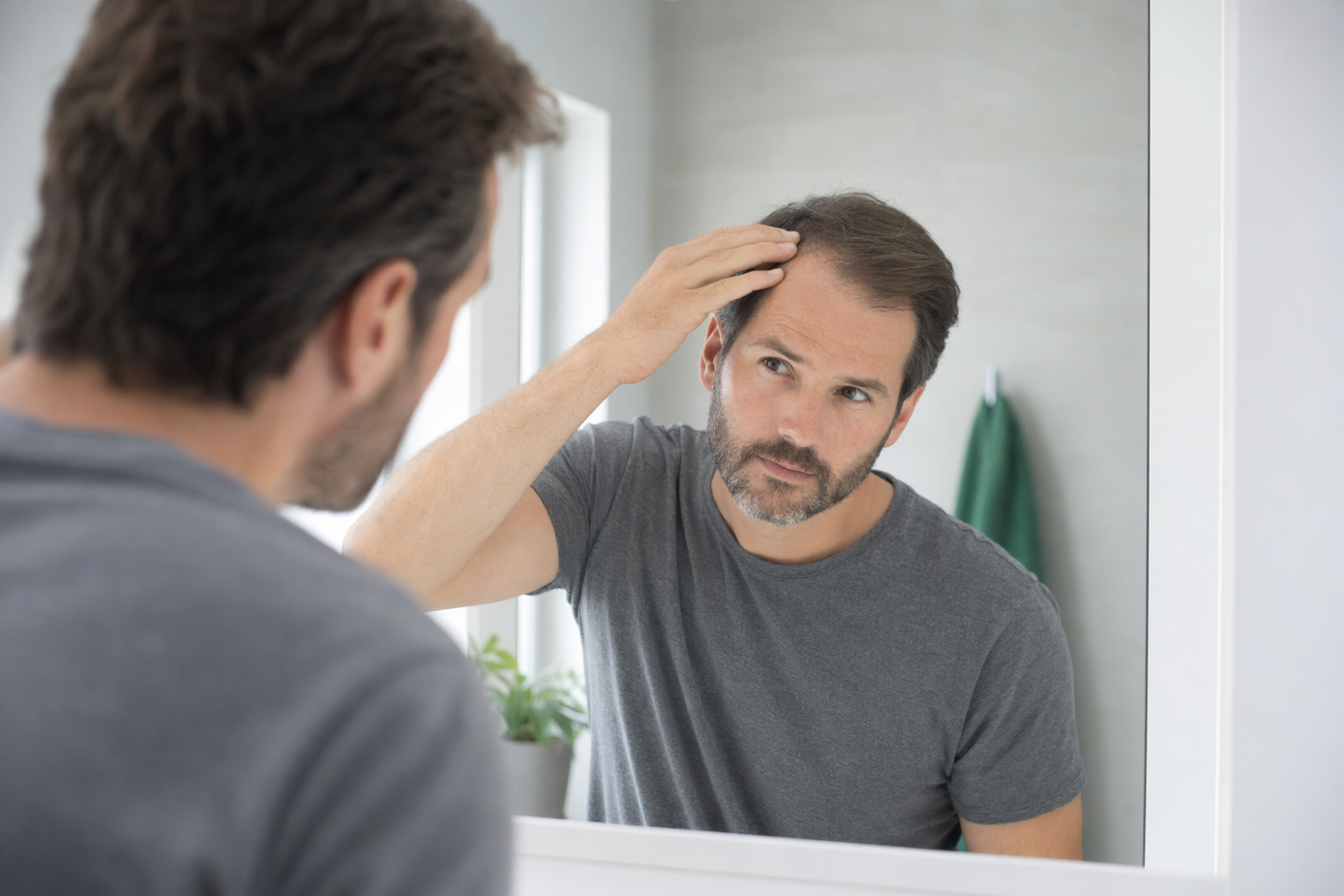
Seeing more hair in the shower, on your pillow, or in the mirror can feel scary. The truth is that hair loss is common, and the cause is not the same for everyone. Sometimes it is linked to family history. Sometimes it happens after stress, illness, major life changes, tight hairstyles, or normal aging. This page gives general educational information so you can better understand what may be going on and what to do next. FollicleLane is a **free matching service** that connects people with licensed hair-restoration providers. We are **not** a clinic or medical provider, and this is **not medical advice**.
Common reasons people lose hair
Hair grows in cycles. It grows, rests, and then sheds. A small amount of daily shedding is normal. Hair loss becomes more noticeable when shedding increases, growth slows down, or hairs become thinner over time.
Some common causes include:
- Family history: This is one of the most common reasons. If close relatives had thinning hair or bald spots, you may notice a similar pattern.
- Stress or a body shock: High stress, fever, surgery, childbirth, fast weight loss, or a major illness can push more hairs into the shedding phase. This may show up weeks or months later.
- Hormone changes: Life stages can affect hair, including after pregnancy or around menopause.
- Hair damage from styling: Tight braids, tight ponytails, extensions, heat, bleach, or harsh chemicals can weaken hair and irritate the scalp.
- Aging: Hair often gets finer and less full with age.
- Scalp or skin problems: Irritation, redness, flaking, or patchy loss can happen for different reasons and should be checked by a licensed provider.
In some cases, hair loss may be temporary. In other cases, it may be ongoing. Individual results vary, and only a qualified, licensed provider can evaluate your situation.
Key things to notice before you panic
Try to look at the pattern, not just one bad hair day.
Helpful things to notice:
- Where is it happening? Is it at the hairline, crown, temples, all over, or in small patches?
- How fast did it start? Sudden shedding can feel different from slow thinning over months or years.
- Is the hair breaking or falling from the root? Broken hairs may point to damage from styling.
- Do you have scalp symptoms? Itching, burning, redness, pain, or heavy flaking are important to mention to a licensed provider.
- Has anything changed recently? Big stress, childbirth, a major illness, or a new hair routine may matter.
These clues do not diagnose the cause, but they can help you have a better conversation when you speak with a licensed provider. If you want help finding one, you can get matched for free through FollicleLane.

What you can do right now
You do not need to guess alone. A few simple steps can help you move forward.
- Take clear photos once a month in the same lighting and angle. This can help you notice changes over time.
- Be gentle with your hair. Loosen tight styles, reduce heat, and avoid harsh chemical processing when possible.
- Do not start random products because of social media. Some may be a waste of money or may irritate your scalp.
- See a licensed provider if hair loss is sudden, patchy, painful, or getting worse.
- Ask practical questions about options, expected timelines, costs, and possible risks.
Some people explore non-surgical options first. Others ask about procedures like FUE hair transplant after speaking with a licensed provider. What is appropriate depends on the person, and results are individual.
If cost is part of your decision, it may help to learn more about typical costs before you book a consultation.
Common mistakes that can make things harder
When people feel worried, they often want a fast answer. That is normal. But a few common mistakes can lead to more stress:
- Waiting too long to get checked. Early evaluation by a licensed provider can help you understand your options sooner.
- Believing promises online. Be careful with before-and-after photos, big claims, or words like "guaranteed." Honest providers will explain limits, risks, and the fact that results vary.
- Picking a provider without checking credentials. Always verify licenses, experience, and reviews yourself.
- Using too many products at once. This can make it hard to tell what is helping or causing irritation.
- Ignoring your scalp. Hair health is not only about the strands. Scalp discomfort or visible changes matter too.
FollicleLane does not diagnose, treat, or recommend a specific medical plan. We simply help connect people with licensed providers so they can ask informed questions.
Your next step if you want answers
If hair loss is bothering you, the next step is simple: talk with a licensed hair-restoration provider and get clear information about your options. Keep your focus on facts, not fear.
When you speak with a provider, ask:
- What may be causing this pattern of hair loss?
- What options are usually considered for someone like me?
- What are the risks, recovery time, and likely timeline?
- What does the full cost include?
- What credentials and experience do you have?
FollicleLane is a free matching service that can help you connect with licensed providers in the US. We do not perform procedures, and we do not give medical or surgical advice. Always confirm details directly with the provider and verify credentials yourself.
In plain language
Hair loss has many possible causes, from family history to stress, aging, and hair damage. You do not need to figure it out alone—speak with a licensed provider, ask clear questions, and remember that individual results vary.
Common questions
Is this medical advice?
No — this is general, educational information, not medical advice. Always confirm details with a qualified, licensed hair-restoration provider, and remember individual results vary.
Does hair loss always mean I am going bald?
No. Some hair shedding is normal, and some types of hair loss may be temporary. A licensed provider can help assess what may be happening in your case.
Can stress cause hair loss?
Yes, stress or a major body shock can be linked to increased shedding in some people. This can happen after illness, surgery, childbirth, or major life stress, but only a licensed provider can evaluate your situation.
Should I try a hair transplant right away?
Not always. Some people ask about surgical options, while others explore non-surgical options first. A licensed provider can explain what may or may not be appropriate for you. Results vary from person to person.
What does FollicleLane do?
FollicleLane is a free matching service that connects people with licensed hair-restoration providers. We are not a clinic, doctor, surgeon, or medical provider, and we do not diagnose, treat, or perform procedures.
Want to talk to a hair-restoration provider?
Get matched, free, with a licensed provider near you — in your language. We share your contact details and general goal only, never medical records. You compare and choose who to see, with no obligation.
Get matched, free Book a call