Stress and Hair Loss — The Connection
Stress can affect your hair, but it usually doesn’t work like an on/off switch. If you notice more shedding, it can be related to stress—though many other causes are possible too.
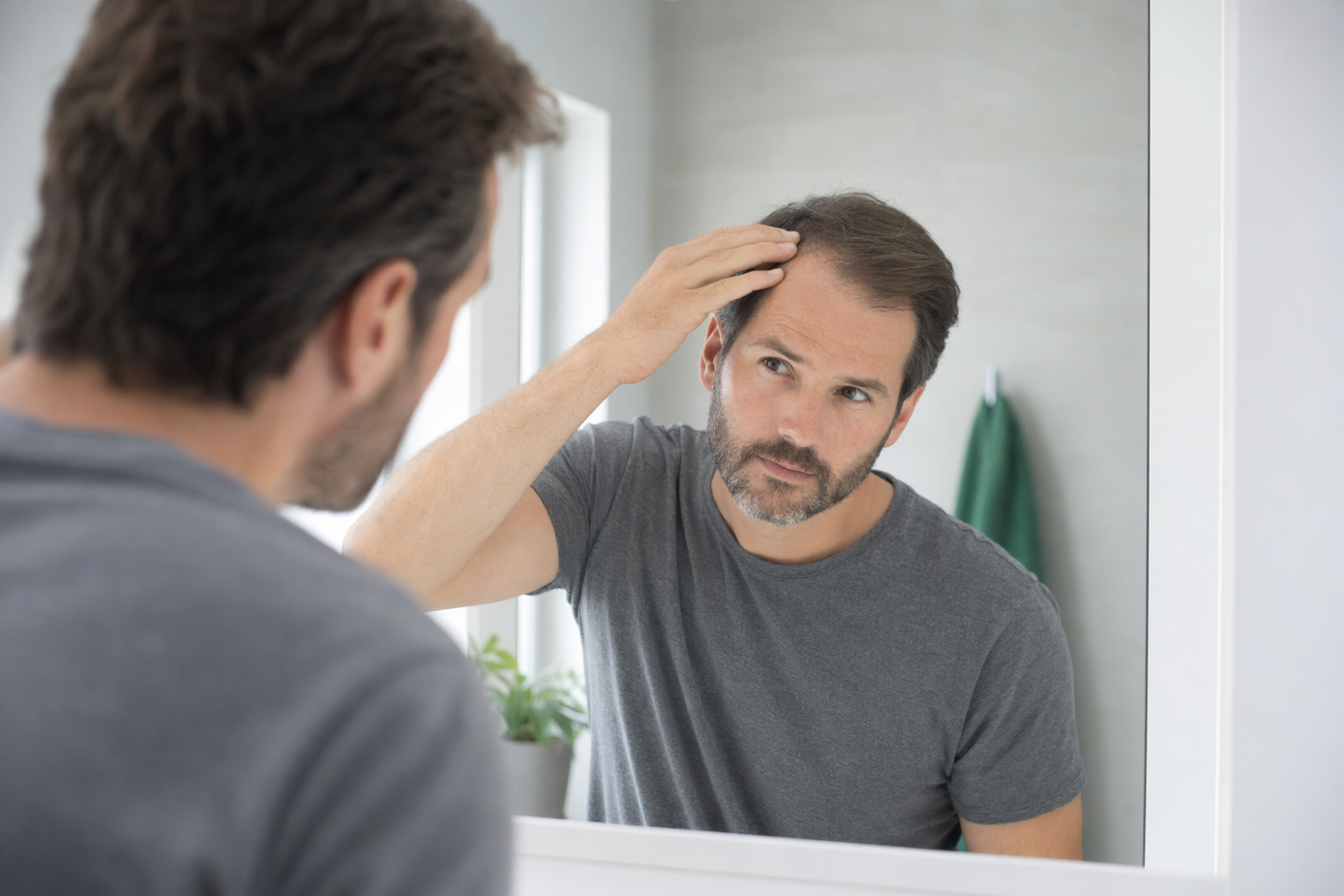
Hair loss can feel scary, especially when you’re not sure what caused it. Stress is a common worry, and it’s true that stress can play a role in how hair grows and sheds. Still, hair loss has many possible causes, so it’s best to approach it step by step and get help from a licensed provider when you can.
The short answer: Yes, stress can be linked—but it’s not the only cause
Stress may contribute to hair shedding in some people. For example, heavy stress (like illness, major life changes, or poor sleep) can sometimes lead to more shedding a few months later. But the same kinds of changes can also come from genetics, hormones, nutrition issues, scalp conditions, and more. So stress is a clue, not a diagnosis.
How stress can affect hair growth (in plain language)
When your body is under stress, it may temporarily shift energy away from hair growth. This can lead to a pattern called increased shedding, where more hairs move out of the growing phase.
A few important points:
- Timing can be delayed. Stress doesn’t always cause hair changes right away. It may show up weeks to months later.
- Stress doesn’t mean “it will never come back.” In many cases, shedding improves over time—especially when the stressor passes or supportive care is used.
- You still need the right cause. Two people can look similar but have different reasons for hair loss.
If you’re thinking about hair-restoration options, start by learning what you can do next and who can help you evaluate your situation. You can browse ways to get matched with licensed hair-restoration providers, and you may find it helpful to review typical costs before you reach out. When you’re ready, also consider reading how to choose a hair-restoration provider so you can verify credentials and ask clear questions.

What to do next (practical steps you can take now)
Here’s a calm, safe plan:
1. Pay attention to the pattern. Is it thinning over time, shedding, or changes on the scalp? Keep notes (just dates and what you notice).
2. Reduce stress where you can. Try simple steps like better sleep routines, regular meals, and asking for support—these won’t replace medical care, but they can help your overall wellbeing.
3. Get a professional review. Look for a licensed hair-restoration provider and ask about likely causes and options. Do not wait forever if you’re worried or the shedding is fast.
4. Verify credentials yourself. Make sure the provider is licensed to do what they claim, and ask about their experience with your specific concern.
Remember: FollicleLane is a FREE matching service. We connect you with licensed providers, and you compare and choose who to see. Results are honest and individual results vary.
When to seek help sooner
Consider reaching out sooner if you have sudden heavy shedding, patchy hair loss, scalp pain or sores, or other body changes that worry you. Since we’re not a clinic, we can’t tell you the cause—but a licensed provider can help you understand what’s going on and what options may be appropriate.
In plain language
Stress can affect hair growth and shedding, but it’s only one possible factor. The safest next step is to get a licensed provider’s review and verify their credentials—your results will be individual.
Common questions
Can FollicleLane treat my hair loss?
No — FollicleLane is a free matching service, not a clinic or doctor. We connect you with licensed hair-restoration providers. You compare and choose who to see, and individual results vary.
If stress caused my hair loss, will it reverse?
Sometimes shedding improves, especially if the stress eases. But it depends on the cause and your individual situation, so it’s important to get a professional evaluation rather than guessing.
How long after stress might I notice hair shedding?
It can be delayed—often weeks to months. However, timing varies person to person, and other causes can look similar.
What should I ask a licensed provider when I reach out?
You can ask what they think the most likely causes are, what options are available for your pattern of hair loss, what results typically look like for people like you, and how they verify licensing/credentials. You can also ask about realistic timelines and maintenance expectations.
Want to talk to a hair-restoration provider?
Get matched, free, with a licensed provider near you — in your language. We share your contact details and general goal only, never medical records. You compare and choose who to see, with no obligation.
Get matched, free Book a call