Hair Transplant for a Receding Hairline
A receding hairline can be stressful, but you have options. Hair transplant may be one possible route—still, the right choice depends on your pattern of hair loss, your scalp, and what a licensed provider recommends.
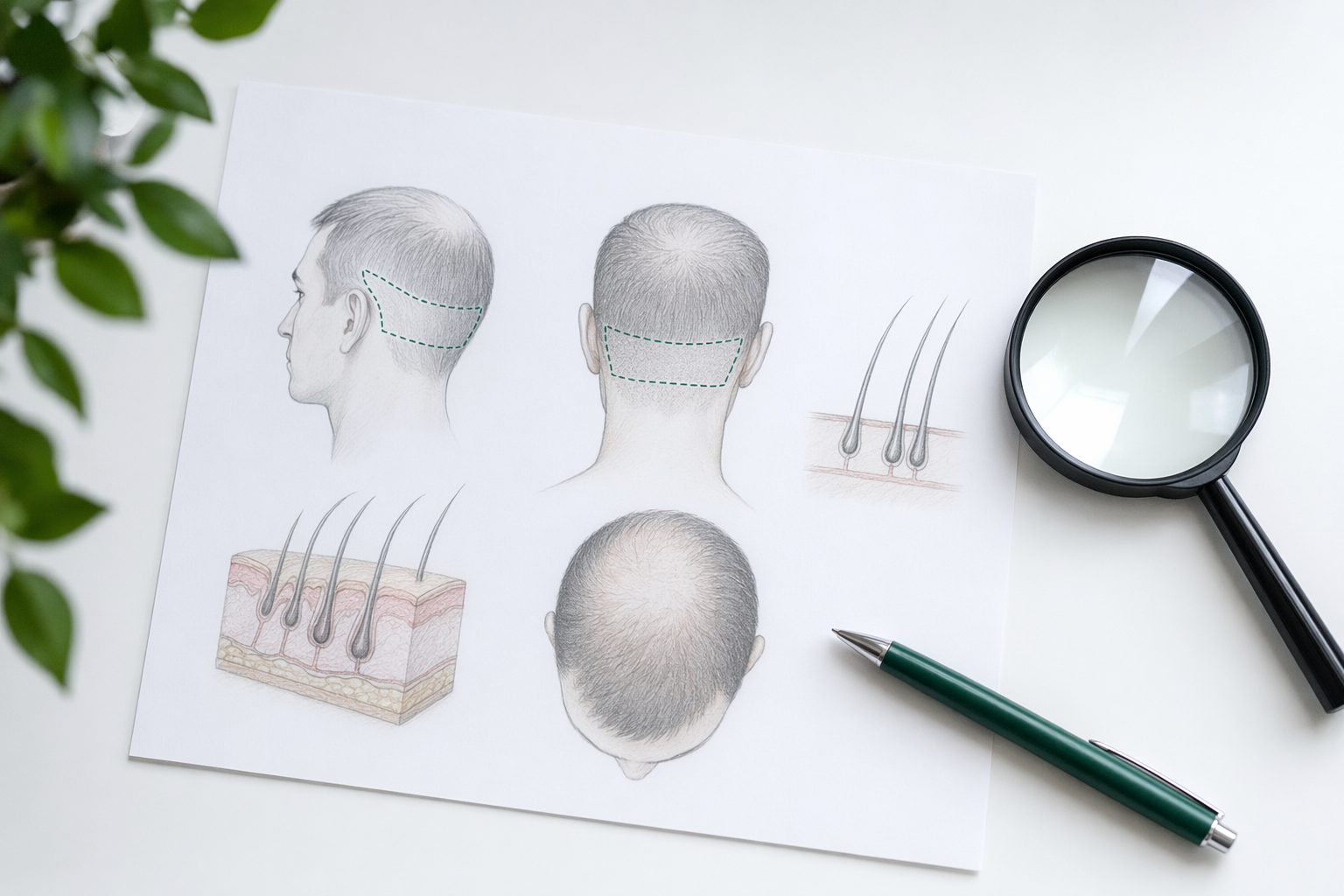
If your hairline looks like it’s moving back, you’re not alone. Many people notice this over time and wonder whether a hair transplant could help. This page explains the basics in plain language, so you can ask better questions and make an informed choice.
The short answer
A hair transplant for a receding hairline is a procedure where hair follicles are moved (or placed) to help improve coverage in specific areas. Whether it’s a good option depends on things like the strength of the hair in the donor area and the stage of your hair loss. Results are honest and individual, so it’s important to talk with a licensed hair-restoration provider and verify their credentials yourself.
If you want to compare options, you can start by getting matched with providers via FollicleLane.
How hair transplant for a receding hairline usually works
In general terms, providers evaluate the pattern of hair loss and then plan where transplanted follicles should go.
Common ideas you may hear during a consult:
- Donor hair selection: Hair is usually taken from areas that are more resistant to hair loss.
- Placement: Transplanted follicles are placed to create a natural-looking hairline shape and density.
- Timeline: Growth often takes months, and full results can be gradual.
Because each person’s hair loss is different, no one can accurately promise a specific outcome in advance. A good provider will explain what they think is realistic for your situation and what factors could affect results.
Cost is another big factor. Hair restoration pricing varies widely based on the plan, the amount of work needed, and other details—see hair restoration costs to learn what usually drives pricing.

Questions to ask a licensed provider
When you meet a provider, consider asking questions like:
1. Is my hairline recession a good match for transplantation?
2. What donor area options do I have?
3. How would you design my hairline so it looks natural?
4. What results can I realistically expect, and what might not meet expectations?
5. What are the risks and downtime?
You can also use this checklist to help you choose: how to choose a hair restoration provider. Since FollicleLane is a free matching service, you’ll be responsible for comparing providers and confirming their licenses and experience directly.
What to do next
Here’s a simple next step plan:
- Step 1: Get matched with licensed providers you can contact through FollicleLane.
- Step 2: Ask about their approach to hairline design and what makes a person a good candidate.
- Step 3: Compare the full picture: cost, expected timeline, and realistic outcomes.
- Step 4: Always verify credentials yourself and make sure you feel comfortable asking questions.
Remember: you’re looking for a clear, honest consult—not hype. Results vary from person to person, and a licensed provider can help you understand what’s realistic for your specific hair-loss pattern.
In plain language
Hair transplant may be an option for some people with a receding hairline, but it’s not one-size-fits-all. Use a licensed provider consult to check if you’re a good candidate, compare costs, and set realistic expectations—results vary.
Common questions
Can FollicleLane treat my hair loss?
No — FollicleLane is a free matching service, not a clinic or doctor. We connect you with licensed hair-restoration providers. You compare and choose who to see, and individual results vary.
Is a hair transplant the only option for a receding hairline?
Not always. Some people explore non-surgical options first, and others consider surgery. The best choice depends on your hair-loss pattern and what a licensed provider recommends after evaluation.
Will I get the exact same hairline look as someone else?
No. Hairlines and coverage goals are unique, and outcomes can vary. A provider should discuss what’s realistic for your scalp, donor hair, and hair-loss stage.
How much does a hair transplant typically cost?
Costs vary based on the amount of work, your goals, and the provider’s plan. For general guidance on what can affect pricing, see [hair restoration costs](/costs/).
How do I know if a provider is legitimate?
Verify their license and credentials directly, and ask about their experience with hairline cases. You can also review [how to choose a hair restoration provider](/guides/how-to-choose-a-hair-restoration-provider/) to help you compare options.
Want to talk to a hair-restoration provider?
Get matched, free, with a licensed provider near you — in your language. We share your contact details and general goal only, never medical records. You compare and choose who to see, with no obligation.
Get matched, free Book a call