Eyebrow Transplant Basics
Eyebrow transplant basics can feel confusing, but it helps to start with simple questions: how it works, what to expect, and how to choose a licensed provider. This guide covers the basics in plain language, so you can feel more prepared before you talk with a professional.
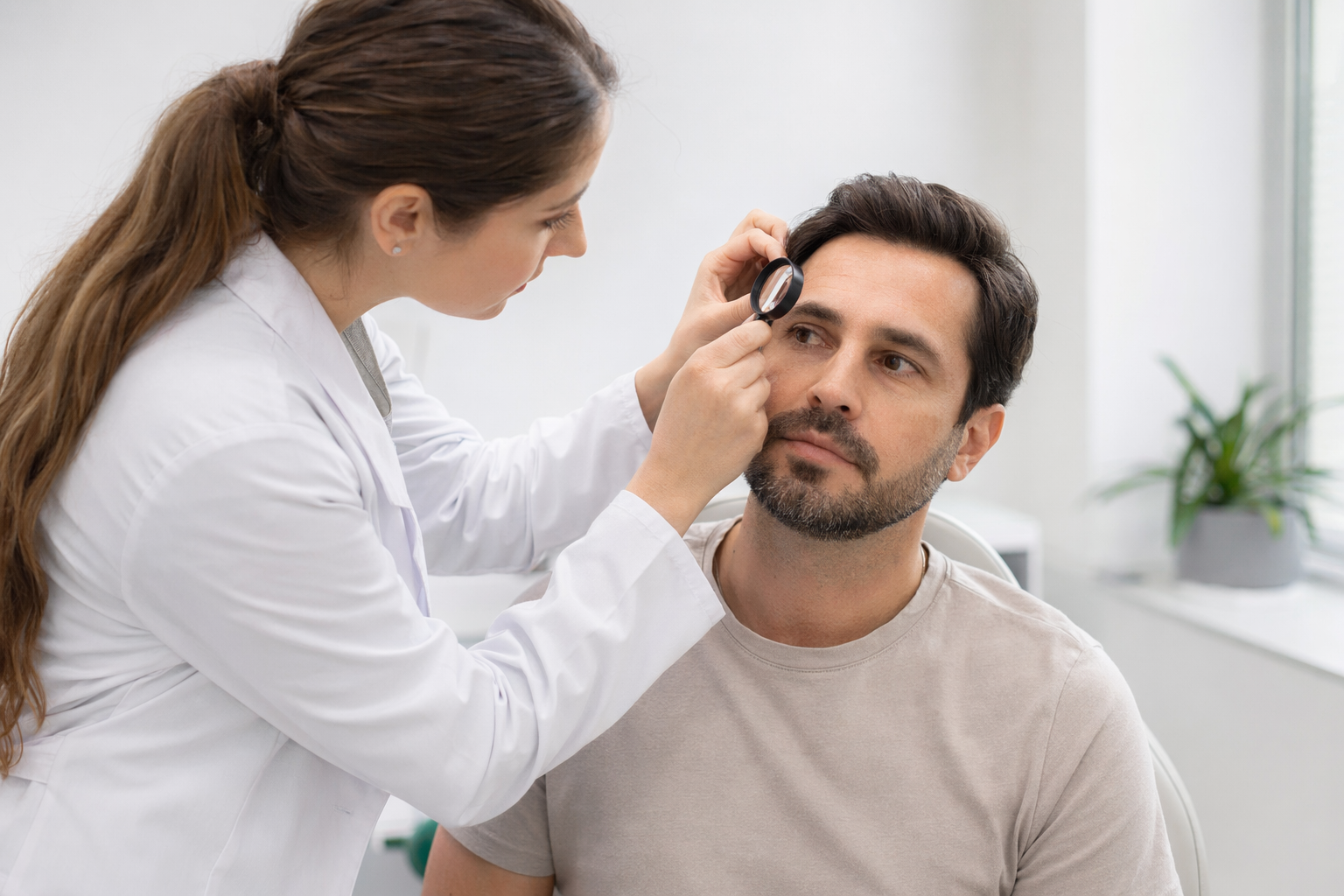
If you’re thinking about an eyebrow transplant, you’re not alone. Many people consider it after thinning from age, over-plucking, scars, or other changes. Because this involves your skin and hair follicles, it’s important to learn the basics first and then get clear answers from a licensed provider.
The short answer
An eyebrow transplant is a procedure where hair follicles are moved to the eyebrow area to help create thicker-looking brows. The exact plan varies a lot by person—your brow shape, skin type, and hair characteristics can all affect the outcome.
For a good starting point, you can use our matching service to find licensed hair-restoration providers and then compare options you feel comfortable with.
How eyebrow transplants are usually done
Eyebrow transplants typically involve moving hair follicles from another part of the body (most often the scalp) to the eyebrow area.
Common things providers discuss during a consult:
- Donor and hair match: Whether your existing hair can look and grow in a way that fits eyebrows.
- Design and symmetry: How they plan the shape and placement to match your facial features.
- Incision approach: How small openings are made to place grafts.
- Healing timeline: Swelling, scabbing, and gradual changes over weeks to months.
Because every body is different, results can vary. Also, eyebrow hair may not behave exactly like scalp hair, so a provider should explain what’s realistic for you.
If cost is part of your decision, you can review general budgeting ideas in eyebrow transplant costs.

What to consider before you choose a provider
To make a safer, more confident choice, focus on practical steps rather than promises.
Do this:
1. Verify licensing and credentials in your state. Ask what license they hold and confirm it yourself.
2. Request before-and-after photos for eyebrow work (not just general hair restoration), and review them carefully.
3. Ask about an individualized plan for your brow shape and hair direction.
4. Talk about risks and aftercare in plain language—then make sure you understand.
5. Learn the recovery expectations (including how long it takes to see visible changes).
If you’re not sure what questions to ask, see how to choose a hair-restoration provider. A strong provider should be open, clear, and willing to answer your questions without pressure.
Remember: this page is educational only. It can’t tell you whether you personally are a good candidate. A licensed provider can assess you in person.
What to do next
If you’re considering eyebrow restoration, here’s a simple next step:
- Start with matching: Use get matched with licensed providers in your area.
- Compare consults: Talk with more than one provider if you can, and write down what each one explains (especially the plan and realistic expectations).
- Double-check credentials: Don’t rely only on what you’re told—verify licensing yourself.
When you’re ready, you can bring your questions to a consult and ask for clear, individualized answers. Results are honest and individual results vary.
In plain language
Eyebrow transplants move hair follicles to the brow area, but the plan and results vary by person. Find and verify a licensed provider, compare options, and set realistic expectations before you decide.
Common questions
Can FollicleLane treat my hair loss?
No — FollicleLane is a free matching service, not a clinic or doctor. We connect you with licensed hair-restoration providers. You compare and choose who to see, and individual results vary.
How long does it take to see results from an eyebrow transplant?
Many people notice early changes after healing, but fuller results usually take time (often several months). Your provider can explain a more specific timeline based on your plan.
Will eyebrow hair always look natural?
A good provider designs for your face shape and hair direction, which can help results look natural. Still, individual results vary, and no provider can guarantee the exact look for everyone.
How do I know if I’m a good candidate?
Only a licensed provider who can examine your scalp and brow area can tell you what’s possible. During a consult, ask how they would plan your design and what they expect realistically for your situation.
Is eyebrow transplant the same as cosmetic eyebrow tattooing?
They’re different. Tattooing adds pigment to the skin, while a transplant moves hair follicles. Your goals and your provider’s recommendations should be compared carefully in a consult.
Want to talk to a hair-restoration provider?
Get matched, free, with a licensed provider near you — in your language. We share your contact details and general goal only, never medical records. You compare and choose who to see, with no obligation.
Get matched, free Book a call