Do Hats Really Cause Hair Loss?
Hair loss from hats is a common worry—but most of the time, hats do not directly cause long-term hair loss. What hats can do is affect your scalp in temporary ways, like irritation or more sweat.
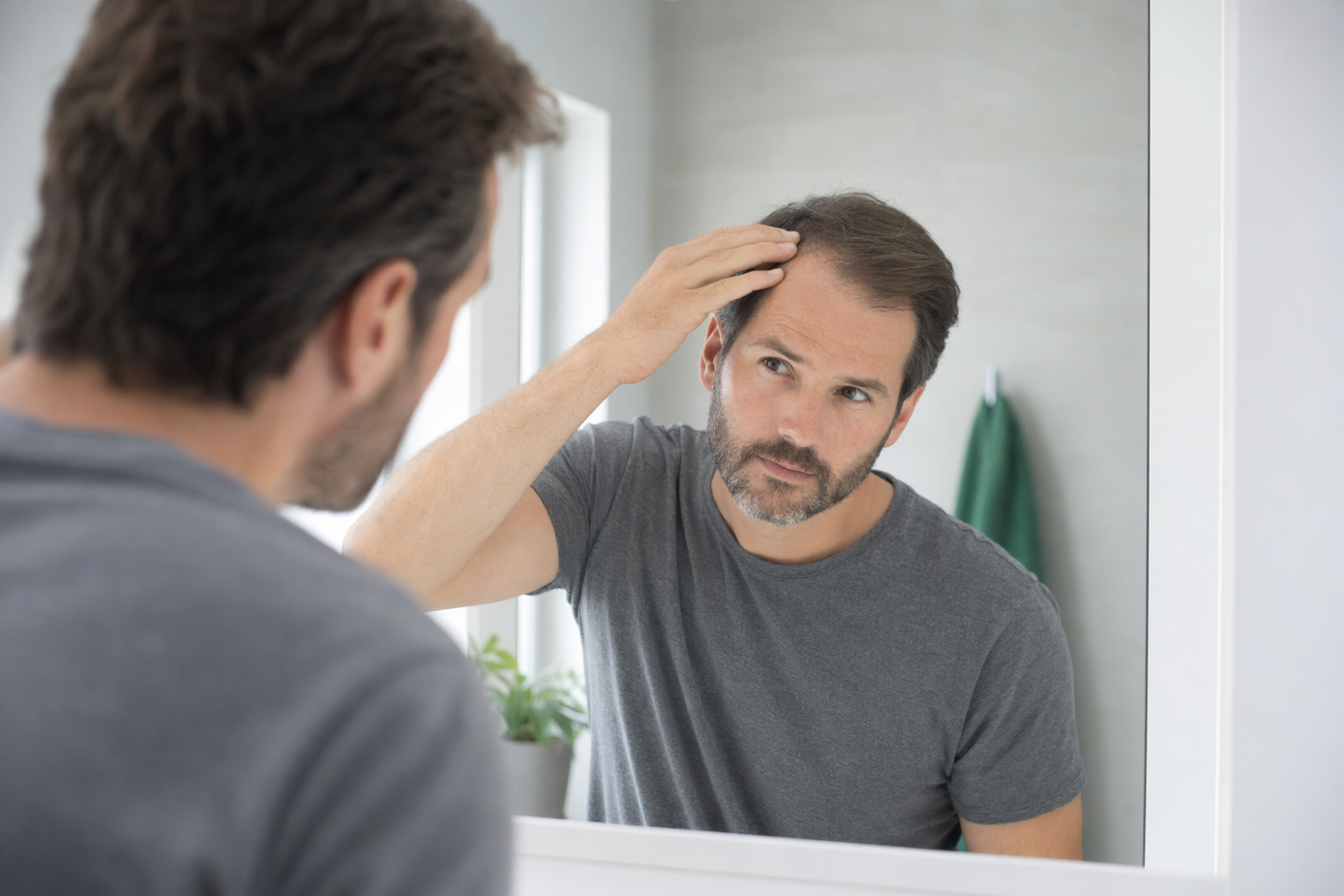
If you’re seeing more hair shedding or thinning and you’ve been wearing hats often, it makes sense to wonder, “Did my hat cause this?” The short answer is usually no. Hair loss has many causes, and hats are rarely the main cause—but the way a hat fits and how you care for your scalp can matter.
The short answer: usually no
In most people, wearing a hat does not cause permanent hair loss. Hair loss usually happens because of things like normal aging, genetics (family history), stress on the body, hormones, scalp conditions, or hair styling habits.
That said, hats can contribute to problems that *look* like hair loss, such as:
- Scalp irritation from friction or sweat
- Itching or dandruff flare-ups if you wear the hat tightly or don’t wash it
- Traction (pulling) if you wear very tight styles over time
How hats might affect your hair (and what they can’t do)
A hat mainly touches the hair and scalp surface. It generally doesn’t change the hair growth cycle in a way that causes true, long-term hair loss.
However, hats can indirectly lead to issues that affect how hair looks:
1. Friction and pressure: Tight hats can rub the same area repeatedly.
2. Sweat and buildup: Heat and sweat can make the scalp feel more itchy or oily.
3. Hair styling habits: Some people wear hats while doing tight hairstyles under them.
If your hair is thinning, the cause is more likely tied to your hair growth pattern than to the hat itself. If you’re unsure, it’s best to talk with a licensed hair-restoration provider and verify their credentials yourself. For a starting point, you can explore options through getting matched with providers in your area, then ask questions in plain language.

What to do next if you’re worried about hair loss
Here are practical next steps that don’t rely on guesses:
- Check the pattern: Is it thinning at the crown, widening part, or more shedding overall?
- Review hat habits: Try a looser fit, take breaks, and wash hats regularly.
- Look at scalp comfort: If you have itching, burning, or flaking, don’t ignore it.
- Get a professional opinion: A licensed provider can explain what they think is happening and what options may help—based on your situation.
You can also learn about typical steps and budgeting in our general resource, like hair restoration costs, and use our checklist for questions to ask in how to choose a hair-restoration provider.
Remember: results are honest and individual results vary. No one can promise the same outcome for every person.
In plain language
Most hats don’t cause long-term hair loss, but they can irritate your scalp or worsen dandruff from sweat and friction. If you’re noticing real thinning, get a licensed provider’s opinion—results vary for everyone.
Common questions
Can FollicleLane treat my hair loss?
No — FollicleLane is a free matching service, not a clinic or doctor. We connect you with licensed hair-restoration providers. You compare and choose who to see, and individual results vary.
If my hair is thinning, does that mean my hat caused it?
Not necessarily. Hat wearing usually doesn’t cause permanent hair loss, even if it seems related. Thinning often comes from other causes like genetics, hormones, stress, or scalp conditions. A licensed provider can help you understand what’s most likely in your case.
What hat-related problems can happen?
Tight hats can cause friction or pressure, and sweat can worsen itching or dandruff for some people. These issues can make hair look worse, but they are different from true long-term hair loss.
How do I know when to get help?
Consider getting help if you notice steady thinning, a widening part, patchy loss, or scalp symptoms like strong itching or heavy flaking. A licensed provider can discuss options and next steps.
How can I find a licensed provider safely?
Use [getting matched](/get-matched/) to compare licensed hair-restoration providers. Before booking, verify credentials yourself and ask clear questions about their experience, process, and what results you can realistically expect.
Want to talk to a hair-restoration provider?
Get matched, free, with a licensed provider near you — in your language. We share your contact details and general goal only, never medical records. You compare and choose who to see, with no obligation.
Get matched, free Book a call