Does PRP Actually Work for Hair Loss?
PRP (platelet-rich plasma) is one of the more talked-about options for hair loss, but it’s not a sure thing. Results can vary a lot, and it’s important to understand what PRP is and what questions to ask before spending money.
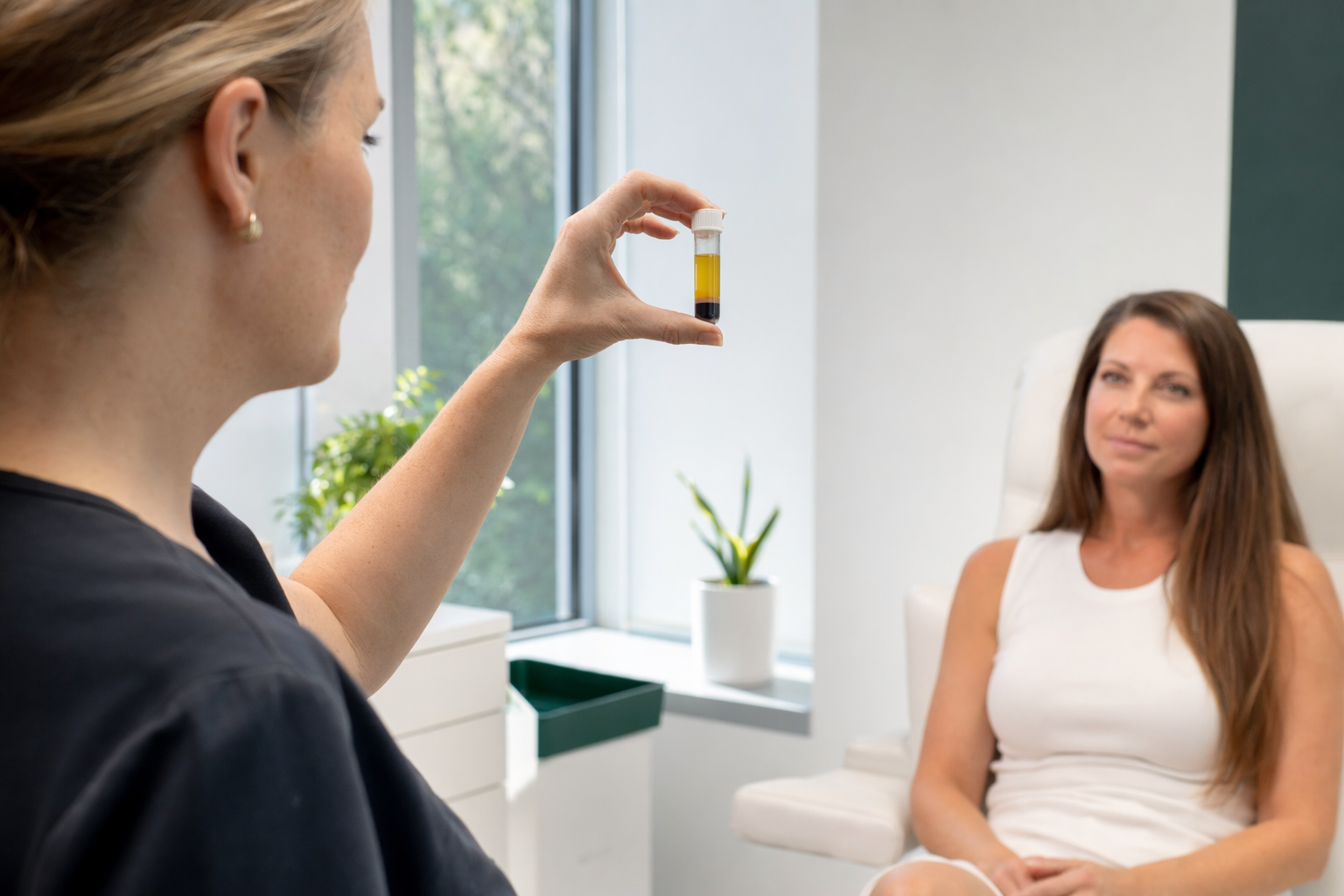
Hair loss can feel scary and personal, especially when you want answers fast. PRP is often shared online as a possible fix, but the truth is more mixed. Below is plain, honest guidance about what PRP is, what the research generally suggests, and how to make a safer, more informed next step—without guessing.
The short answer
PRP may help some people, but it does not work the same way for everyone, and it’s not guaranteed to improve hair growth. If you’re considering it, treat it like a possible option—not a certainty—and make sure you’re working with a licensed hair-restoration provider you can verify yourself.
What PRP is (and what it isn’t)
PRP stands for platelet-rich plasma. In many PRP hair-loss services, blood is drawn, processed to concentrate platelets, and then injected into the scalp. The idea is that platelets contain growth-related signals that might support hair follicles.
That said, PRP is not the same as a true “root cause” treatment for every type of hair loss. Hair loss can happen for different reasons (like genetics, hormones, inflammation, stress on the scalp, or other factors). A provider should talk through your situation and help you understand whether PRP fits your goals.
Because individual results vary, it’s smart to ask how they measure progress and what they do if PRP doesn’t help.
If you want to explore options with providers, you can start here: get matched.

What results people typically report
Some people notice thickening or less shedding, while others see little to no change. A common pattern is that PRP involves multiple sessions over time, and you may need ongoing treatments to maintain results.
Also, PRP may be used alongside other approaches (for example, lifestyle changes or other hair-loss treatments). If you’re offered a plan, ask:
- Why PRP for me? What are they targeting?
- How many sessions do they recommend, and how far apart?
- How do they track progress? (Examples: photos over time, areas treated.)
- What outcomes are realistic for someone like you?
- What are the risks and side effects and how often do they happen?
Costs can add up, so it’s worth checking budgeting basics: PRP costs and related pricing factors.
What to do next
Before you pay for PRP, take a few minutes to check the provider and your options.
- Verify credentials: confirm they are properly licensed and experienced with hair-restoration services in your state.
- Ask for clear expectations: honest results vary, and you should hear both likely benefits and limitations.
- Compare providers: different clinics may use different protocols.
- Use a checklist for choosing a provider: how to choose a hair-restoration provider.
If you’d like help comparing licensed options near you, FollicleLane is a free matching service—you’ll connect with providers, but you stay in control of your choices. Results are honest and individual results vary, so it’s best to confirm details directly with the licensed professional you select.
In plain language
PRP might help some people with hair loss, but it’s not guaranteed and results vary. Before paying, verify the provider’s credentials and ask about realistic outcomes and total costs.
Common questions
Can FollicleLane treat my hair loss?
No — FollicleLane is a free matching service, not a clinic or doctor. We connect you with licensed hair-restoration providers. You compare and choose who to see, and individual results vary.
Is PRP proven to work for hair loss?
The evidence is mixed. Some people report improvement, while others don’t. PRP is not a guaranteed result, and what works best depends on the type and cause of hair loss.
How many PRP sessions are usually needed?
Many services recommend multiple sessions over time, but the exact number varies by provider and your situation. Ask the licensed provider what they recommend and why.
What questions should I ask before starting PRP?
Ask about realistic outcomes for you, how they measure progress, total estimated cost, number and timing of sessions, and the risks/side effects they commonly see.
How do I know if a hair-restoration provider is legit?
Verify credentials yourself, confirm they are properly licensed, and ask for examples of past work (when available). You can also use our checklist for choosing a provider: /guides/how-to-choose-a-hair-restoration-provider/.
Want to talk to a hair-restoration provider?
Get matched, free, with a licensed provider near you — in your language. We share your contact details and general goal only, never medical records. You compare and choose who to see, with no obligation.
Get matched, free Book a call