Diet, Vitamins, and Hair Loss
What you eat and the vitamins you take can affect overall health, and in some people it may influence hair shedding or regrowth. But hair loss has many causes, and food supplements are not a guaranteed fix.
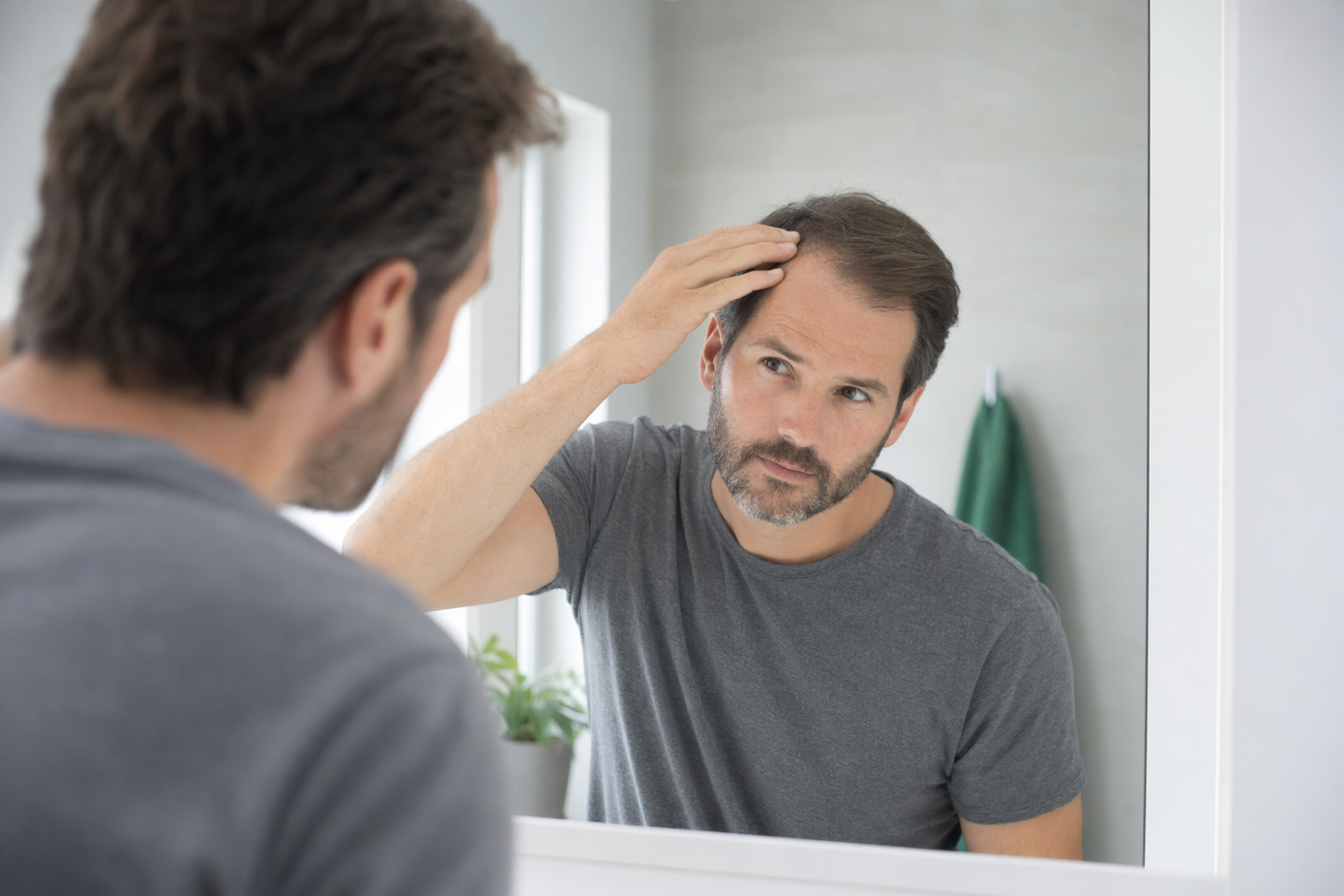
If you’re worried about hair loss, it’s natural to wonder if diet and vitamins are the answer. The truth is: nutrition matters for many body functions, but hair loss can also be related to genetics, hormones, stress, scalp conditions, and other factors. This page shares practical, general information—so you can make safer choices and know when to talk to a licensed provider.
The short answer: food can help, but it depends
Good nutrition supports hair health, but it won’t automatically stop hair loss. Some nutrient shortages can contribute to shedding, while other types of hair loss need different approaches. Also, taking extra vitamins won’t always help—especially if your levels are already normal.
If you’re considering help beyond nutrition, you can get matched with licensed hair-restoration providers and compare options at your own pace.
What to know about diet, vitamins, and hair shedding
Hair is made from protein, and your body uses nutrients to grow and maintain it. Here are common, non-medical factors people ask about:
- Protein: Hair is largely made of keratin, a type of protein. If you don’t eat enough protein, you may notice more shedding. Aim for a balanced intake (for example, eggs, dairy, beans, lentils, chicken, fish, tofu).
- Iron (and low iron): Low iron can be linked with increased shedding in some people. Because iron needs vary, it’s best not to megadose.
- Vitamin D: Some research connects low vitamin D with hair shedding, but results aren’t the same for everyone.
- Zinc and other micronutrients: Too little can affect growth, but too much from supplements can also be harmful.
- Crash diets and sudden weight loss: Rapid changes can stress the body and sometimes trigger shedding months later.
- Supplements vs. food: Whole foods are a safer first step for most people. Supplements are sometimes useful, but they work best when they match what your body actually needs.
Important: If you’re losing hair quickly, have scalp pain/itching, or notice sudden patchy loss, don’t try to “self-treat” with supplements alone. A licensed provider can help you understand your situation and the best next steps. You can also review how to choose a hair-restoration provider before you book anything.
Cost can also be a factor when exploring hair-restoration options—see costs for general information so you can plan ahead.

What to do next (simple steps)
Here’s a calm, practical plan:
- Check your basics for 6–8 weeks: Eat regular meals with protein, fruits/vegetables, and enough calories (avoid frequent crash diets).
- Be careful with “hair vitamin” pills: Don’t take high doses unless a licensed provider says it’s appropriate. If you already take a multivitamin, double-check you’re not overlapping doses.
- Notice the pattern: Is shedding gradual, or sudden? Is it overall thinning or patchy? The pattern can help guide questions to ask.
- Get a second opinion from a licensed professional: If you’re worried, schedule a visit with a licensed hair-restoration provider. They can explain options and timelines. Results are honest and individual results vary.
- Verify credentials yourself: Before you decide, confirm licenses and ask about experience.
If you want to explore options, you can get matched with licensed providers in your area and compare what feels right for you.
In plain language
Nutrition can support healthy hair, but vitamins and diet don’t guarantee stopping hair loss. If you’re worried, focus on steady, balanced eating and talk to a licensed provider to discuss options—results vary for each person.
Common questions
Can FollicleLane treat my hair loss?
No — FollicleLane is a free matching service, not a clinic or doctor. We connect you with licensed hair-restoration providers. You compare and choose who to see, and individual results vary.
If I take vitamins, will my hair grow back?
Not necessarily. Vitamins help if you’re low in something, but extra supplements won’t always fix hair loss. It’s safer to start with food and talk to a licensed provider before taking high doses.
How long does it take to see changes from better diet?
Hair changes can take time. Even if nutrition helps, noticeable differences (if they happen) may take months. Sudden shedding can also have a delayed trigger.
What if my hair loss is sudden or patchy?
Sudden or patchy hair loss can have different causes. It’s a good idea to see a licensed provider rather than trying to solve it only with supplements.
How do I choose a hair-restoration provider?
Look for licensing, ask about experience with your hair-loss pattern, and review before-and-after examples carefully. You can also use this guide: [how to choose a hair-restoration provider](/guides/how-to-choose-a-hair-restoration-provider/).
Want to talk to a hair-restoration provider?
Get matched, free, with a licensed provider near you — in your language. We share your contact details and general goal only, never medical records. You compare and choose who to see, with no obligation.
Get matched, free Book a call