PRP therapy
PRP therapy is a hair-loss option some people explore to support fuller-looking hair. FollicleLane is a **free matching service** that helps you connect with licensed hair-restoration providers so you can learn your options and decide what feels right for you.
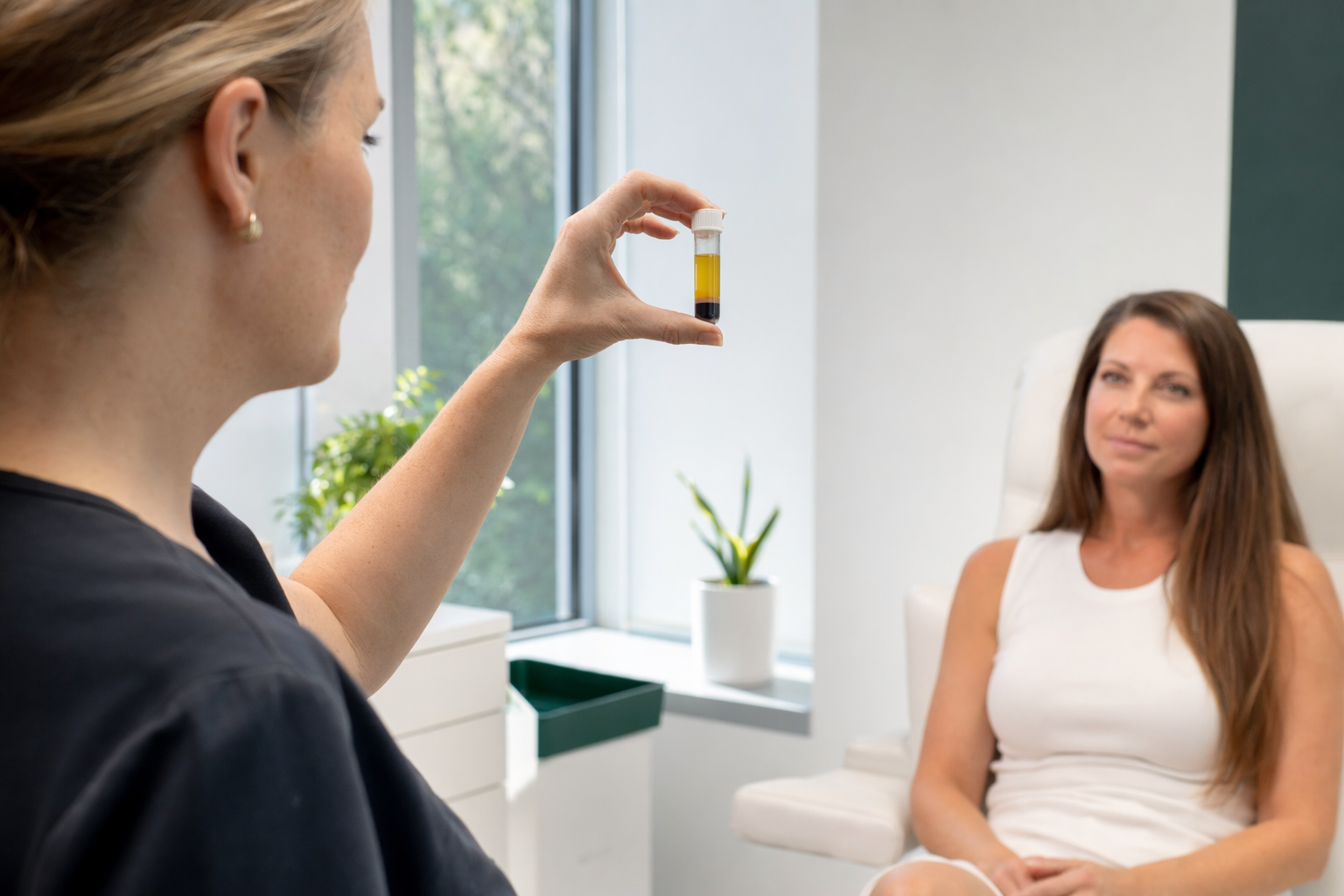
If you are worried about thinning hair, you may have seen PRP therapy mentioned online. PRP stands for platelet-rich plasma. It is a procedure offered by some licensed providers that uses part of your own blood and places it into the scalp. Some people choose it as a non-surgical option or as part of a larger hair-restoration plan. This page is general education only, not medical advice. FollicleLane does **not** provide care or perform procedures. We help people [get matched](/get-matched/) with licensed providers so they can ask questions directly.
What PRP therapy is and why people look into it
PRP therapy is a service some licensed hair-restoration providers offer for people with hair thinning or early hair loss. In simple terms, a small blood sample is taken, processed to separate out a part called plasma, and then that plasma is placed into areas of the scalp.
People often look into PRP because:
- it does not involve surgery
- it uses material from their own blood
- visits are usually done in an office setting
- it may be combined with other hair-restoration approaches
PRP is not a cure for every kind of hair loss, and it is not right for everyone. A licensed provider can explain whether it may be worth discussing for your situation. Results are individual and can vary a lot.
How the process usually works
The exact steps can differ by provider, but a common PRP visit looks like this:
- A provider takes a small sample of blood.
- The blood is spun in a machine to separate the platelet-rich plasma.
- The provider places that plasma into targeted parts of the scalp, often with a series of small injections.
Some providers may use numbing methods to help with comfort. The full visit is often fairly short, but timing depends on the office and the plan.
You may hear PRP talked about as a way to support the scalp and hair follicles. That does not mean a certain result will happen. It simply means this is the reason many providers discuss it with patients who are worried about thinning hair.
Because techniques differ, ask the provider to explain each step in plain language before you agree to anything.

Who may consider it
PRP therapy is often discussed with adults who notice:
- mild to moderate thinning hair
- wider parts or less density
- increased shedding
- concern about early-stage hair loss
Some people also ask about PRP after a hair transplant, or as part of a broader plan. Others may learn that it may not be a good fit for their goals.
The best next step is to speak with a licensed provider who can review your concerns in person. FollicleLane cannot tell you if you are a candidate, diagnose the cause of your hair loss, or recommend treatment. We only help connect you with providers so you can ask questions yourself.
Typical cost range in the U.S.
PRP pricing can vary a lot by city, provider experience, and how many sessions are suggested. In many U.S. markets, people may see prices such as:
- about $500 to $1,500 per session
- a package of several sessions may cost more upfront
- maintenance visits, if suggested later, add to the total cost
These are general estimates, not quotes. Your local pricing may be higher or lower. You can read more general hair-restoration pricing on our costs page.
When comparing prices, ask what is included:
- consultation fee or no consultation fee
- number of sessions in the plan
- follow-up visits
- aftercare instructions
- any extra office or lab-related fees
A lower price is not always the better value. It is smart to look at provider credentials, experience, and how clearly they explain the process.
Timeline, sessions, and recovery
PRP usually involves more than one visit. Some providers suggest a starting series of sessions, then follow-up or maintenance visits later. The schedule can differ from person to person.
Recovery is often lighter than with surgery, but you may still have short-term effects such as:
- tenderness on the scalp
- mild swelling or redness
- small spots of irritation where the scalp was treated
Many people return to normal activities soon, but instructions vary by provider. Ask when you can wash your hair, exercise, or use hair products again.
Hair changes, if they happen, are usually not immediate. Hair growth is slow, so people often wait weeks or months before deciding how they feel about the change. There is no set timeline that fits everyone.
Honest expectations before you spend money
It is important to go in with a calm, realistic mindset. PRP may help some people, but not others. Even when someone is happy with the outcome, the change may be modest rather than dramatic.
Keep these points in mind:
- individual results vary
- you may need multiple sessions
- maintenance may be suggested over time
- the effect, if any, may be limited
- PRP may be discussed together with other options
No ethical provider should promise thick hair, a permanent result, or a certain number of hairs. If a message sounds too perfect, slow down and ask more questions. General education can help, but only a licensed provider can explain what they offer and what they believe is realistic for you.
Questions worth asking at your consultation
A consultation is your chance to understand the provider, the process, and the full cost. You do not need fancy words. Plain questions are enough.
Consider asking:
- Are you licensed in this state, and what is your role?
- How often do you perform PRP for hair concerns?
- What does the session involve from start to finish?
- How many sessions do you usually discuss, and why?
- What discomfort, downtime, or short-term side effects should I expect?
- What total costs should I plan for?
- What kind of follow-up is included?
- What results do you think are realistic, and how long might they take?
You can also ask them to explain any forms or terms you do not understand. A good provider should be willing to speak clearly and not rush you.
How to choose a provider carefully
Since PRP depends a lot on who is doing it and how the office operates, choosing a provider matters. Take your time.
Look for:
- a provider who is properly licensed
- clear answers about training and experience
- honest discussion of benefits, limits, and cost
- a clean, professional setting
- no pressure to buy the same day
You should also verify credentials yourself with your state licensing resources and read our guide on how to choose a hair-restoration provider.
FollicleLane is a free matching service, not a clinic or medical provider. We do not perform PRP therapy or give treatment advice. We help you connect with licensed providers so you can compare options and decide what to do next.
In plain language
PRP therapy is a non-surgical hair-loss option some people explore, but it does not work the same for everyone. Ask clear questions, verify the provider's license yourself, and remember that FollicleLane only helps you connect with providers.
Common questions
How much does prp therapy cost?
It depends on your pattern, the number of grafts or sessions, and your area — see the cost section for typical ranges. These are estimates, not quotes, and individual results vary.
Does PRP therapy work for everyone?
No. Some people may feel it helped, while others may see little or no change. Results are individual, and no provider should guarantee an outcome.
How many PRP sessions do people usually need?
It varies. Many providers discuss a series of sessions at the start, and some may suggest maintenance later. Ask for the full plan and total expected cost before you agree.
Is there downtime after PRP therapy?
Downtime is often limited compared with surgery, but some people may have temporary tenderness, redness, or mild swelling. Ask the provider what to expect and when you can return to normal activities.
Can FollicleLane tell me if PRP is right for me?
No. FollicleLane is a free matching service, not a clinic or medical provider. We do not diagnose, treat, or give medical advice. We help you connect with licensed providers so you can ask questions and decide for yourself.
Want to talk to a hair-restoration provider?
Get matched, free, with a licensed provider near you — in your language. We share your contact details and general goal only, never medical records. You compare and choose who to see, with no obligation.
Get matched, free Book a call